
The Best Low-Calorie Snacks for Weight Management
You deserve practical, satisfying, and healthy snack options that genuinely support your weight-management goals. Many people struggle with snacking because they fear “extra calories,” but the truth is that the right low-calorie snacks can help stabilize hunger, reduce overeating during meals, and keep energy levels steady throughout the day.
In the U.S.—where busy routines, long commutes, and fast eating are common—having smart snack choices on hand can make weight control more realistic and enjoyable. Below, you’ll find some of the most effective low-calorie snack options, explained in a clear and reliable way, to help you nourish your body without compromising your health goals.
Fresh Fruit for Natural Sweetness
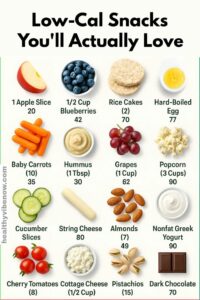
Fresh fruit is one of the simplest and most nutritious low-calorie snacks available. Options like apples, berries, oranges, and grapes offer natural sugars combined with fiber, making them filling without adding excessive calories. In the U.S., pre-cut fruit cups are easy to find in grocery stores, and single pieces like bananas or apples are convenient for carrying in a bag. These fruits also provide essential vitamins and antioxidants that support immunity and cellular health.
Greek Yogurt and High-Protein Options
High-protein snacks help reduce hunger and maintain muscle mass during weight management. Low-fat Greek yogurt is an excellent option because it is creamy, satisfying, and typically contains fewer calories than traditional yogurt. Look for plain or lightly sweetened varieties to avoid unnecessary sugars. Many stores in the U.S. offer single-serve Greek yogurt cups between 80 and 120 calories, making portion control simple. Protein also has a higher thermic effect, meaning your body burns more energy digesting it.
Raw Vegetables with Light Dips
Crunchy vegetables such as baby carrots, celery, cucumbers, and bell peppers add volume to your diet with minimal calories. Pairing them with a light dip—like hummus, Greek yogurt dressing, or salsa—provides flavor without turning the snack into a high-calorie meal. Many Americans choose pre-washed veggie packs sold in supermarkets for convenience. These snacks support hydration and improve fiber intake, contributing to digestive health.
Air-Popped Popcorn
Air-popped popcorn is one of the best low-calorie snacks because it offers a large volume per serving. Three cups of air-popped popcorn have roughly 90–100 calories, making it a satisfying option during movie nights or afternoon cravings. To keep it healthy, avoid heavy butter and opt for light seasonings like nutritional yeast, paprika, or a small amount of olive-oil spray. Popcorn is a whole grain, which supports heart health and keeps digestion regular.
Nuts and Seeds in Controlled Portions
While nuts and seeds are calorie-dense, they can still be an excellent snack when portioned correctly. Almonds, pistachios, and sunflower seeds provide healthy fats, protein, and minerals that support long-term satiety. In the U.S., portion-controlled snack packs containing 100–120 calories are widely available and help prevent overeating. Choosing unsalted or lightly salted varieties is best for maintaining healthy sodium levels.
Low-Calorie Protein Bars and Snacks
Many low-calorie bars available in U.S. grocery chains and drugstores provide a quick, portable option for busy individuals. Look for bars under 150 calories with minimal added sugar and at least 7–10 grams of protein. These options work well for those needing a midday boost, especially when traveling or working long hours. They help balance blood sugar and curb cravings until your next meal.
Cottage Cheese and Calcium-Rich Options
Cottage cheese is a versatile and nutrient-dense snack that is naturally low in calories when choosing low-fat varieties. It provides protein and calcium, which support bone health and muscle maintenance. Pairing cottage cheese with pineapple, berries, or even cucumber slices creates a refreshing and balanced snack. Single-serve cottage cheese cups found across American supermarkets make it easy to manage portions.
Whole-Grain Crackers with Healthy Spreads
Whole-grain crackers offer fiber and provide a crunchy texture that many people crave. When paired with low-calorie spreads like mashed avocado, hummus, or light cream cheese, they become a balanced snack with a mix of carbohydrates, healthy fats, and protein. To stay within a low-calorie range, measure a single portion of crackers—usually around 100–120 calories—and pair it with a tablespoon of spread.
Hydrating, Low-Calorie Snack Alternatives
Sometimes, cravings are confused with dehydration. Low-calorie hydrating snacks—like sugar-free gelatin cups, flavored sparkling water, or cold watermelon cubes—can satisfy the desire to eat while keeping calorie intake low. These options are especially useful during hot U.S. summers or after exercise. Additionally, they help maintain optimal hydration, which plays a major role in appetite control.
Conclusion
Choosing the best low-calorie snacks is not about restriction; it’s about selecting foods that nourish your body, keep you full, and support long-term weight management. By incorporating fruits, vegetables, high-protein options, whole grains, and hydrating foods into your routine, you can enjoy snacks that align with your health goals without feeling deprived. Keep these options available at home, work, or on the go, and you’ll find it easier to stay consistent with your wellness journey.
If you enjoyed this article, share it so others can benefit from these helpful insights! 😊💚📢