
The Benefits of Strength Training for Women
Here’s an important truth: strength training is one of the most powerful tools women can use to support lifelong health, confidence, and physical well-being. Far from being about “bulking up,” strength training helps women enhance their daily energy, improve body composition, and reduce the risk of age-related declines. In the U.S., more women than ever are turning to weightlifting to stay healthy, strong, and resilient.
This article explores the real, science-backed benefits of strength training for women, breaking down the most meaningful advantages in a simple, humanized way—so you can feel confident about adding it to your routine.
Improved Metabolism and Fat Loss
Strength training increases muscle mass, which naturally elevates resting metabolic rate. This means the body burns more calories even at rest. Unlike cardio alone, resistance training promotes long-term fat loss by helping the body maintain lean mass. Many women in the U.S. notice that when they combine strength training with balanced nutrition, they see better definition, a more sculpted appearance, and improved metabolic health without extreme dieting.
Hormonal Balance and Long-Term Health
Women often face hormonal fluctuations due to stress, aging, perimenopause, or postpartum changes. Strength training helps regulate hormones like cortisol and insulin, while boosting endorphins and serotonin. Research shows that resistance exercise also supports better sleep quality, which further stabilizes hormone balance. For women experiencing early signs of menopause, strength training can ease symptoms such as fatigue, mood changes, and slowed metabolism.
Enhanced Bone Density and Reduced Osteoporosis Risk
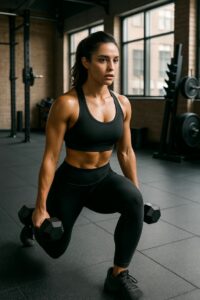
Osteoporosis affects millions of women in the U.S., especially after age 50. Strength training is one of the most effective non-pharmaceutical ways to protect bone density. Weight-bearing movements stimulate bone growth, making bones stronger and less prone to fractures. Incorporating exercises like squats, lunges, and weighted carries a few times a week can significantly reduce the rate of bone loss and protect long-term mobility.
Increased Strength for Daily Activities
Strength training is not just for athletes. It improves everyday quality of life—lifting groceries, carrying children, climbing stairs, and maintaining good posture all become easier. Many women report feeling more energetic, stable, and capable after just a few weeks of consistent training. Enhanced core strength also reduces the likelihood of back pain, which is one of the most common physical complaints among American women.
Better Mental Health and Emotional Well-Being
Strength training is strongly connected to better mental health. It helps decrease anxiety, reduce symptoms of depression, and improve overall mood. The sense of progress—lifting heavier weights or completing new exercises—creates a powerful feeling of achievement. For many women, weight training becomes a grounding routine that supports emotional resilience, self-confidence, and stress management.
Improved Body Composition and Muscle Tone
Women often want a toned, firm, natural look without excessive bulk. Strength training delivers exactly that. Resistance exercises shape the arms, legs, back, and core by increasing muscle definition while reducing body fat. This creates a balanced and healthy appearance. Additionally, women naturally produce lower levels of testosterone than men, so gaining large muscle mass unintentionally is not a typical concern.
Support for Heart Health and Disease Prevention
Heart disease remains the leading cause of death among women in the U.S. Strength training plays a key role in prevention. It helps lower blood pressure, improve cholesterol levels, stabilize blood sugar, and reduce inflammation—all of which contribute to cardiovascular health. Combining strength training with moderate aerobic activity provides even stronger protection against chronic diseases such as diabetes and hypertension.
Greater Mobility, Balance, and Injury Prevention
Strength training enhances joint stability and flexibility, reducing the chances of sprains, strains, and falls. This is especially important for women as they age, when balance can naturally decline. Exercises that strengthen the glutes, hips, and core improve stability and protect against common injuries. Stronger muscles also support better alignment of the knees and spine, lowering the risk of pain or long-term limitations.
Empowerment, Confidence, and Lifestyle Transformation
Many women describe strength training as life-changing. Beyond physical results, it builds confidence, independence, and a sense of empowerment. Learning to master weights or complete challenging workouts helps women realize their capability and resilience. This positive mindset often extends to other areas of life—work, relationships, and self-image. Ultimately, strength training becomes more than exercise; it becomes a lifestyle that supports personal growth and long-term well-being.
Conclusion
Strength training offers women in the U.S. a wide range of physical, mental, and emotional benefits. From stronger bones and improved metabolism to better mood and confidence, it is one of the most effective habits for achieving long-term health. Adding even a few sessions per week can create meaningful change and support lifelong wellness.
If you enjoyed this article, share it so others can benefit from these insights too! 💪✨