
How to Mix and Match Colors Like a Fashion Expert
Mixing and matching colors does not have to feel intimidating—you can absolutely learn to do it like a fashion expert.
Statement: Color has the power to transform a simple outfit into something expressive, balanced, and stylish. Whether you’re building a capsule wardrobe, refreshing your seasonal looks, or simply trying to pair items you already own, understanding how colors work together will make your daily routine easier and more enjoyable.
This guide offers practical, accurate, and beginner-friendly strategies used by fashion stylists in the United States, helping you train your eye and grow your confidence. By the end, you’ll know how to combine shades thoughtfully, avoid clashing tones, and create polished outfits that match your personal style.
Understanding the Color Wheel
The color wheel is the foundation of expert color mixing. It organizes primary, secondary, and tertiary colors in a circular pattern, making it easier to understand how hues relate to one another. When stylists build outfit palettes, they rely on these relationships to create combinations that look intentional.
Learning the basics—such as warm versus cool tones—helps you recognize why certain shades naturally complement each other. You don’t need to memorize every detail; simply knowing how opposite, adjacent, and triadic colors work will dramatically improve the balance of your outfits.
Complementary Color Pairings
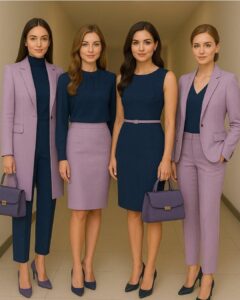
Complementary colors are located directly across from each other on the color wheel, such as blue and orange or red and green. These pairings create high contrast while still appearing harmonious. For example, in the U.S., pairing a navy blouse with subtle burnt orange accessories is a stylish way to use complementary tones without overwhelming your look. Fashion experts often rely on this technique when they want a bold yet polished outfit, especially for street style or casual chic looks. The secret is adjusting the intensity: avoid pairing two neon shades, and instead combine one vibrant color with a muted counterpart.
Analogous Color Harmony
Analogous colors sit next to each other on the color wheel—like pink, red, and orange—and create a more gentle, cohesive appearance. This approach is ideal if you prefer soft transitions between shades. Many stylists use analogous palettes for spring and summer outfits because they naturally offer flow and balance. For example, wearing a blush dress with a coral cardigan creates a warm and feminine aesthetic commonly seen in U.S. fashion catalogs. This method is also great for layering because the colors blend smoothly instead of competing with one another.
The Power of Neutrals
Neutrals are essential tools for mixing and matching colors effectively. Shades like black, white, beige, gray, and navy provide structure and help anchor more expressive colors. In the United States, most wardrobe staples—such as denim, tailored blazers, and everyday sneakers—are neutral for this very reason. Neutrals also allow you to experiment confidently with brighter tones without worrying about clashing. You can build numerous outfits around a neutral base and then add pops of color through accessories or statement pieces. Mastering neutrals is one of the fastest ways to elevate your style.
Using Monochromatic Looks
A monochromatic outfit uses different tones of the same color. This is a favorite technique among fashion experts because it creates a sleek, elongated silhouette. For instance, wearing multiple shades of beige—cream pants, a tan sweater, and a camel coat—is considered highly stylish in U.S. minimalist fashion. The method works with both bold and subtle colors, and it simplifies getting dressed since you only focus on one hue. The key to preventing a flat appearance is using texture contrast, such as mixing denim, knitwear, and leather within the same color family.
Playing With Warm and Cool Tones
Understanding temperature differences helps you mix colors more naturally. Warm tones include yellows, reds, and oranges, while cool tones include blues, greens, and purples. In the United States, stylists often recommend combining colors with the same temperature when you want a cohesive, calm look. However, mixing warm and cool tones can also work beautifully when balanced correctly. For example, pairing a cool navy pair of trousers with a warm rust sweater can create a modern, professional outfit suitable for fall.
Balancing Bold and Soft Shades
Color mixing is not only about hue—it is also about intensity. Bold colors can be exciting, but using too many in one outfit may feel overwhelming. Soft or pastel shades offer a calming effect and make bold colors stand out without competing. Fashion professionals often pair one vibrant piece—such as a bright pink blazer—with softer tones like beige or light denim. This balance ensures the outfit looks intentional rather than chaotic. In everyday U.S. fashion, this principle is key to creating wearable, confident looks.
Considering Skin Tone and Personal Style
Although fashion rules are flexible, considering your skin tone and personal preferences helps ensure that the colors you choose feel natural and flattering. U.S. stylists commonly use the four-season method—winter, summer, spring, and autumn—to guide color recommendations. However, these suggestions are not restrictive. Your personal style plays an equally important role. If you love bold colors, learn how to choose tones that brighten your complexion; if you prefer muted palettes, focus on harmonious combinations that feel authentic to you.
Practical Tips for Building Color Confidence
Experimentation is the most effective way to grow comfortable with color mixing. Start by using accessories in new shades—like scarves, bags, or shoes—and gradually expand into clothing. Pay attention to how different lighting conditions in U.S. cities and seasons affect color perception. Taking photos of your outfits can also help you evaluate combinations objectively. Over time, you will train your eye to recognize balance, contrast, and harmony, making color mixing second nature.
Conclusion
Mixing and matching colors like a fashion expert is a skill anyone can learn. With an understanding of the color wheel, the balance of tones, and the thoughtful use of neutrals, you can create stylish outfits that reflect your personality and confidence. Practice, observe, and experiment—your fashion sense will evolve naturally as you try new combinations.
If you enjoyed this article, share it so more people can benefit from these tips! 💖👗✨