
How to Maintain Healthy Hair at Any Age
Healthy hair is not just a matter of genetics — it’s a reflection of consistent care, balanced nutrition, and understanding your hair’s changing needs over time. Whether you’re navigating hormonal shifts, stress from a busy routine, or the natural effects of aging, maintaining strong, shiny, and resilient hair is absolutely possible. This article offers practical, fact-based guidance for readers in the United States who want to preserve hair health at every stage of life. You will find clear, trustworthy tips rooted in science and everyday routines. Let’s explore how to keep your hair looking and feeling its best, no matter your age.
Nourishing Your Scalp for Lifelong Hair Health
A healthy scalp is the foundation of healthy hair. At any age, prioritizing scalp care supports stronger roots and better growth. Using gentle, pH-balanced shampoos helps maintain the skin barrier, while incorporating weekly scalp massages can boost microcirculation.
Look for ingredients like salicylic acid for gentle exfoliation or tea tree oil for reducing buildup. In the U.S., dermatologists often recommend avoiding harsh sulfates for sensitive scalps, especially as people get older and natural oil production decreases.
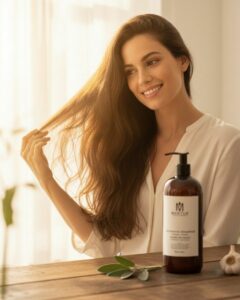
Choosing Age-Appropriate Hair Products
Hair needs evolve over time. Younger adults may need lightweight hydration, while mature hair often requires richer conditioners with ceramides, peptides, or hyaluronic acid. Heat protectants with silicone blends can help reduce breakage for all ages. When choosing products, focus on evidence-based ingredients such as niacinamide for scalp balance, biotin for strengthening, and amino acids for repairing hair fibers. Always avoid miracle claims and opt for brands that share clear scientific data.
Balancing Moisture and Protein
Healthy hair depends on the right balance between moisture and protein, regardless of age. Moisture improves softness and elasticity, while protein strengthens hair strands. Too much protein can cause stiffness, while too much moisture makes hair limp. Use hydrating masks with glycerin or aloe once a week, and protein treatments with keratin or hydrolyzed wheat protein once or twice a month. This routine is especially helpful for Americans dealing with dry winters or humid summers that disrupt the hair’s structure.
Protecting Hair From Heat and Environmental Damage
Exposure to UV rays, heat tools, and pollution affects hair at every age. Using thermal protection before blow-drying or straightening is essential for preventing breakage. Wearing hats during strong sun exposure — common in states like Florida, California, and Texas — can protect hair color and reduce dryness. Antioxidant serums with vitamin E or green tea extract can help defend hair from free radicals caused by urban pollution.
Nutrition and Hydration for Stronger Hair
Your diet plays a major role in hair health. Foods rich in omega-3s (like salmon), vitamin D, iron, and zinc are crucial for supporting growth. Many people in the U.S. experience vitamin D deficiency, which can contribute to hair weakening. Lean proteins, eggs, nuts, and leafy vegetables help maintain strong follicles. Hydration is also key: drinking enough water daily supports the hair shaft from the inside out. When needed, U.S. doctors may recommend supplements, but always under medical supervision.
Managing Stress and Hormonal Changes
Stress, whether from work, lifestyle, or aging, can trigger hair shedding. Practices like meditation, yoga, regular exercise, and improved sleep routines help regulate cortisol levels. Women and men in midlife may also experience hormonal shifts leading to thinning hair. Consulting a dermatologist or endocrinologist can be helpful for addressing issues like menopause, postpartum changes, or androgenic alopecia. Proven treatments such as topical minoxidil are widely recommended in the United States.
Gentle Styling Techniques for All Ages
Minimizing mechanical stress is key. Tight hairstyles, aggressive brushing, and frequent chemical treatments can weaken hair. Opt for loose styles, silk pillowcases, and brushes with soft bristles. When coloring hair, choose ammonia-free options when possible and allow enough time between chemical processes. Younger individuals may experiment more with hairstyles, but the long-term health of hair depends on consistently gentle practices.
Preventing Breakage and Split Ends
Hair breakage increases with age due to reduced elasticity, but it can be minimized at any stage. Regular trims every 8–12 weeks prevent split ends from traveling up the hair shaft. Avoid brushing wet hair unless using a wide-tooth comb. Deep conditioners and leave-in creams with fatty alcohols — such as cetyl or stearyl alcohol — help seal the cuticle and improve softness.
When to Seek Professional Advice
No matter your age, persistent hair loss, scalp irritation, or sudden thinning should be evaluated by a professional. Dermatologists in the U.S. can perform scalp examinations, blood tests, and prescribe medications or treatments like PRP therapy. Early diagnosis is the best way to prevent worsening conditions and develop a customized plan.
Conclusion
Maintaining healthy hair at any age is absolutely achievable when you focus on scalp health, nutrition, protection, and age-appropriate care. By adopting consistent habits and understanding your hair’s evolving needs, you can enjoy stronger, shinier, and more resilient hair throughout your life.
If you enjoyed this article, share it so this knowledge can help more people! 🌿✨💇♀️