
Personal style is not static—it reflects how people live, work, and care for themselves at different stages of life. As routines, responsibilities, and priorities shift, clothing choices, beauty habits, and self-care routines naturally evolve as well. For many women, lifestyle changes such as career growth, family dynamics, wellness goals, or aging bring new perspectives on comfort, functionality, and personal expression. Understanding this evolution helps create a style that feels authentic rather than forced. Instead of following trends blindly, personal style becomes a practical and emotional tool that supports daily life. This article explores how lifestyle changes influence personal style and how thoughtful, informed choices can align fashion, beauty, and wellness with real-life needs—without pressure, extremes, or unrealistic expectations.
Lifestyle Shifts as the Foundation of Personal Style
Lifestyle is one of the strongest drivers of personal style. A busy professional schedule, remote work, parenthood, or increased focus on wellness all affect how people dress and care for themselves. As daily activities change, so do priorities like comfort, versatility, and practicality. This often leads to evaluating different approaches—such as minimalist wardrobes or adaptable beauty routines—before settling on what truly fits. Rather than signaling loss of style, these shifts often represent refinement and clarity.
Career Changes and the Redefinition of Everyday Fashion
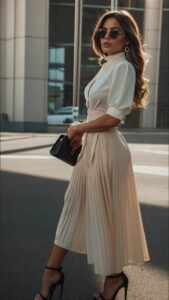
Career transitions frequently reshape style choices. Moving into leadership roles, flexible work environments, or creative fields can redefine how clothing communicates confidence and professionalism. Many women begin comparing approaches—structured versus relaxed silhouettes, statement pieces versus timeless staples—to find balance. This evolution mirrors how personal style matures: less about volume, more about intention. Clothing becomes a tool for self-expression that aligns with real-world responsibilities.
Wellness-Oriented Lifestyles and Style Simplification
As wellness and beauty and wellness routines gain importance, personal style often becomes more streamlined. Comfort, breathable fabrics, and thoughtful design take priority over excess. This shift commonly extends to skincare and self-care routines, where people invest time in understanding skincare ingredients, skin care tips, and consistent skin care routines rather than experimenting randomly. Education before choice becomes essential, whether evaluating natural skincare products or learning how sleep and beauty are connected.
Aging, Confidence, and Style Maturity
With age comes clarity. Women in their 30s, 40s, and beyond often approach style with deeper self-awareness. This phase is less about trends and more about longevity, quality, and confidence. Skincare for women over 30, 40, or 50 often focuses on hydration, barrier support, and prevention rather than quick fixes. Concepts like anti aging skincare, retinol skincare, or hyaluronic acid serum become part of informed routines, not promises. Personal style mirrors this mindset—intentional, adaptable, and aligned with lived experience.
Beauty Routines as an Extension of Lifestyle Choices
Beauty routines evolve alongside lifestyle changes. Increased stress, limited time, or wellness goals often lead to simplified but more consistent habits. Many people begin comparing formulations or understanding dermatologist recommended skincare principles without turning routines into medical solutions. Interest in clean skincare brands, cruelty free beauty, or vegan skincare often reflects broader lifestyle values. Even awareness of luxury skincare or premium skincare brands fits into this context—as options within a diverse market rather than symbols of superiority.
Self-Care, Identity, and Personal Expression
Self-care routines influence how personal style develops emotionally. Clothing, skincare, and grooming can become daily rituals that support stress management tips and emotional balance. This is especially relevant during life transitions such as relocation, caregiving, or major career changes. Personal style becomes less about external validation and more about comfort, identity, and self-respect. Over time, individuals naturally gravitate toward pieces and routines that reinforce consistency rather than constant reinvention.
Balancing Practicality and Aspirational Style
Lifestyle changes often create tension between aspiration and practicality. The desire for polished looks may coexist with the need for efficiency. This balance encourages informed evaluation—understanding when premium options add value and when simplicity works better. For example, exploring luxury body care or high-end wellness products may be part of long-term consideration, not impulse. Style evolves when choices are intentional and grounded in everyday life, not comparison.
Sustainability, Values, and Long-Term Thinking
As lifestyles become more values-driven, personal style reflects ethical and sustainable considerations. Interest in organic skincare, clean formulations, or long-lasting wardrobe pieces often increases. These shifts encourage long-term thinking—selecting fewer, better items and maintaining them thoughtfully. Style becomes less reactive and more strategic, aligned with personal ethics and daily habits.
Personal Style as an Ongoing, Adaptive Process
Personal style is a continuous process shaped by life stages, routines, and priorities. Rather than reaching a final version, style adapts as lifestyles evolve. Education, reflection, and consistency play key roles—whether in fashion choices, skincare routines, or wellness habits. The most enduring styles are those that grow naturally, respecting individuality and change.
Conclusion
Personal style evolves as life changes, reflecting new routines, values, and priorities. Career shifts, wellness goals, aging, and self-care habits all influence how individuals dress and care for themselves. When approached with intention and consistency, style becomes a supportive extension of daily life rather than a rigid standard. If you found this perspective helpful, share this article with others who may be navigating their own style evolution 💫